RED Shift

July 21st, 2008

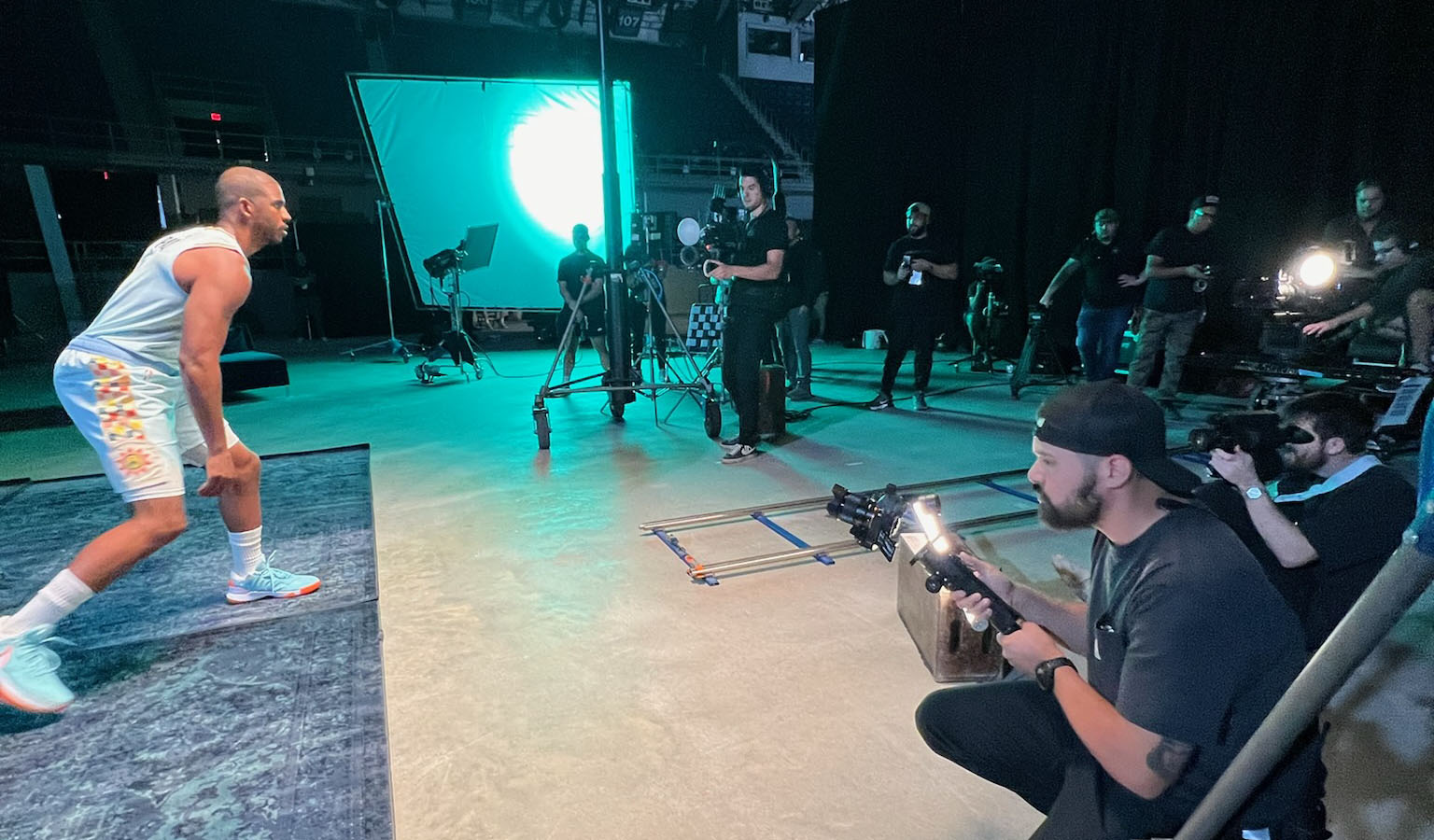
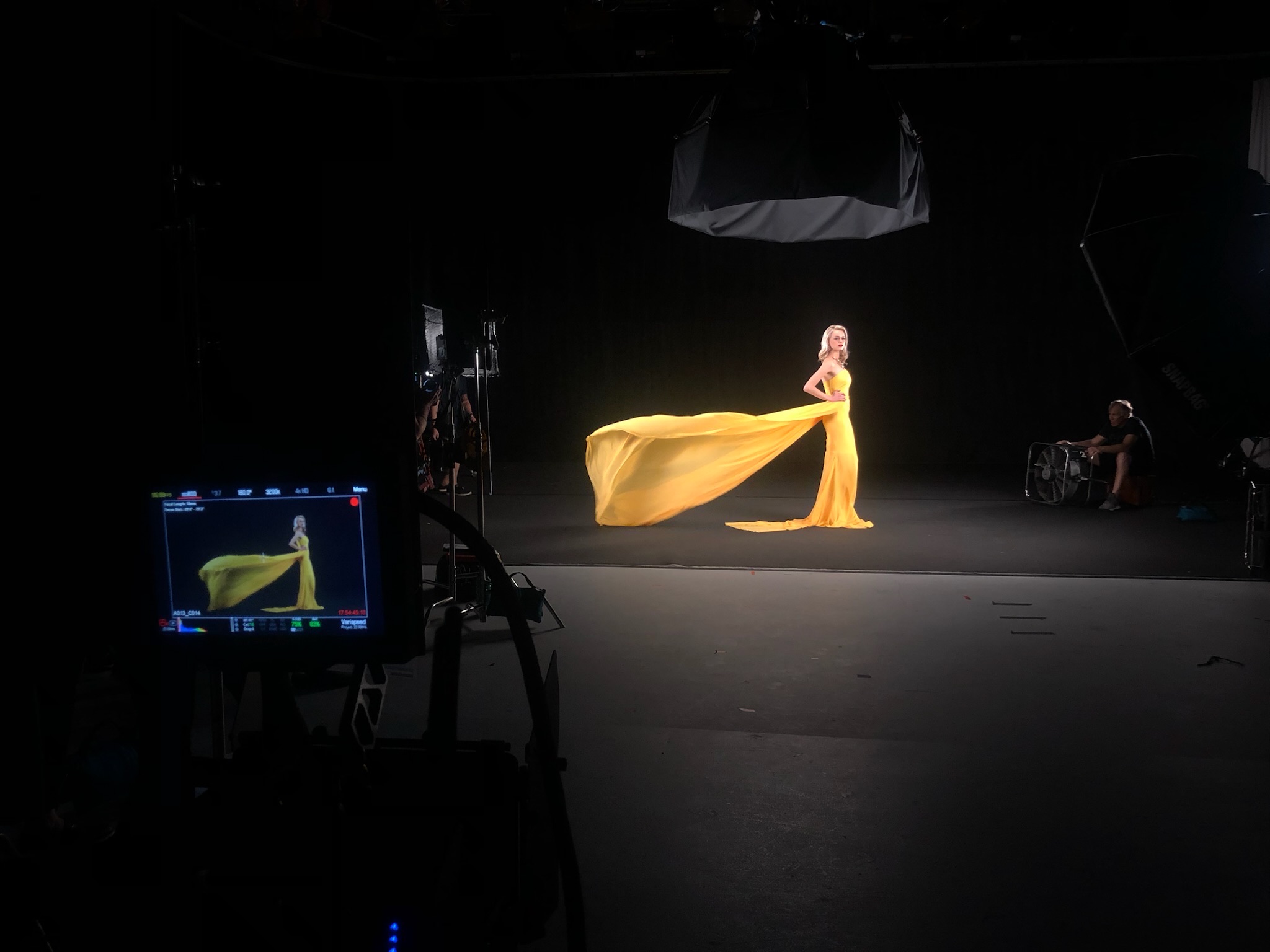
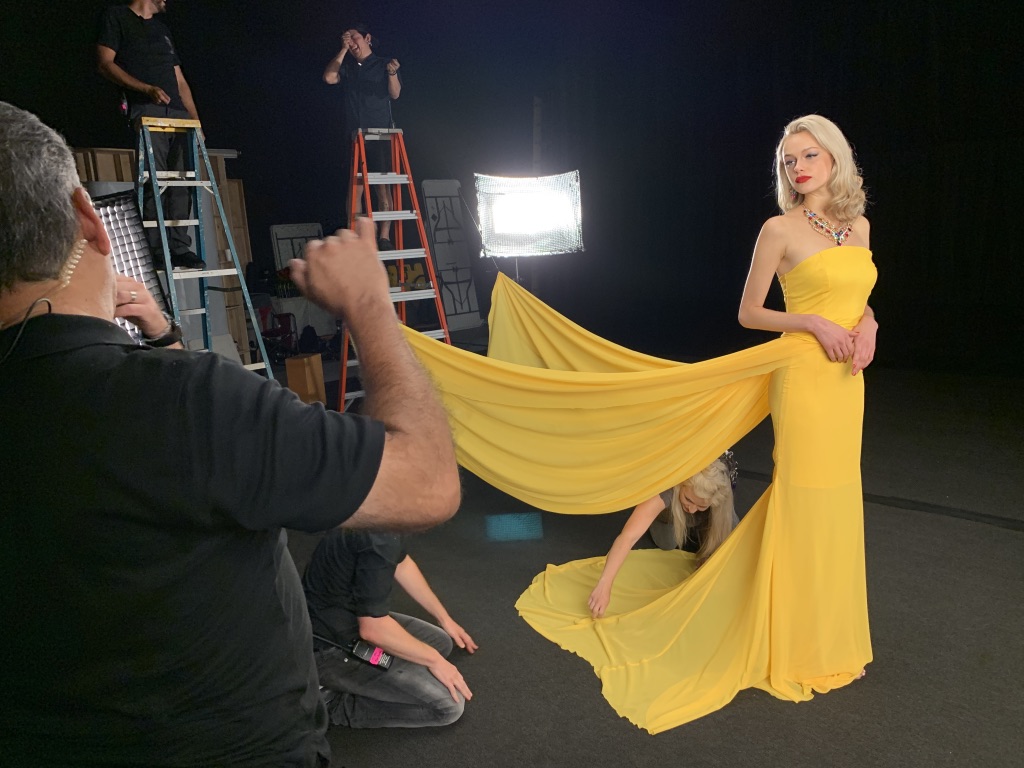
Camille Mandigo of Texas Creative and Chris O’Connell of The O’Connell Communications Group contacted us recently to produce a television campaign for Hill Country State Bank (HCSB) in Kerrville, TX. Executive producer O’Connell explained that “the bank’s (HCSB) old commercials although popular, were in need of a new look. Something new and fresh.” Geomedia’s goal was to revamp their television presence while keeping true to the previous spots.

geomedia

We were handed creative storyboards that included two :30 commercials and four :15 commercials. The :30 commercials featured life-style vignettes with the actual bank officers. The :15 commercials were more “abstract” concepts. They were boarded as single lock-down shots that portrayed HCSB’s relationships with their customers using local iconic imagery. These shots needed to be personal to the bank yet designed to keep the television viewers “dialed-in.”

geomedia

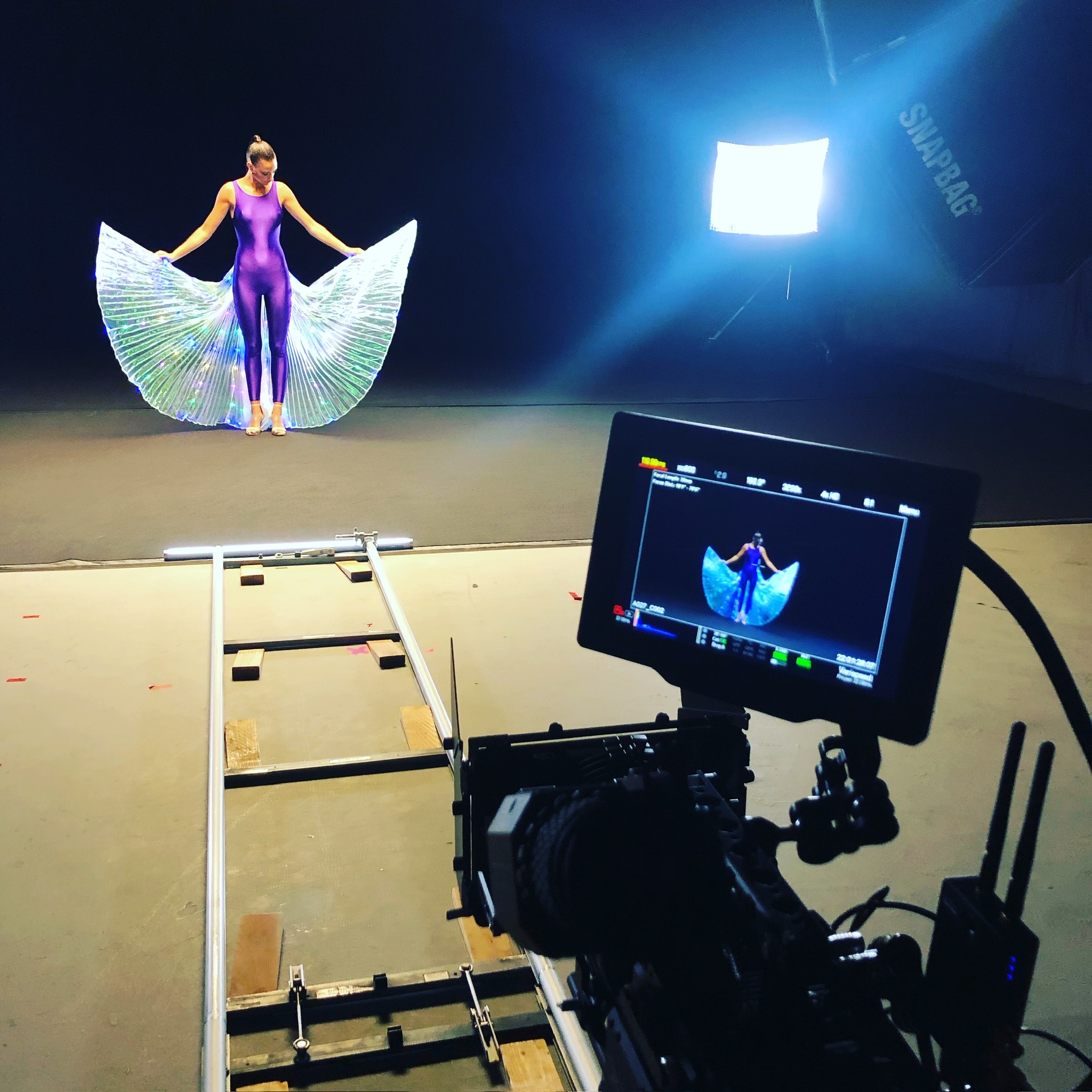
The HCSB creative called for a “film-look.” so we bid the project for 35mm or 16mm film production, as well as an HD package incorporating 35mm film lenses to capture a more filmic, shallow depth of focus. The large format “cine-style” HD camera is more expensive to use than most comparable film packages but offers a net savings in post-production with no film transfer, printing, or shipping costs.

The HCSB client chose the HD “cine-style” turnkey production.

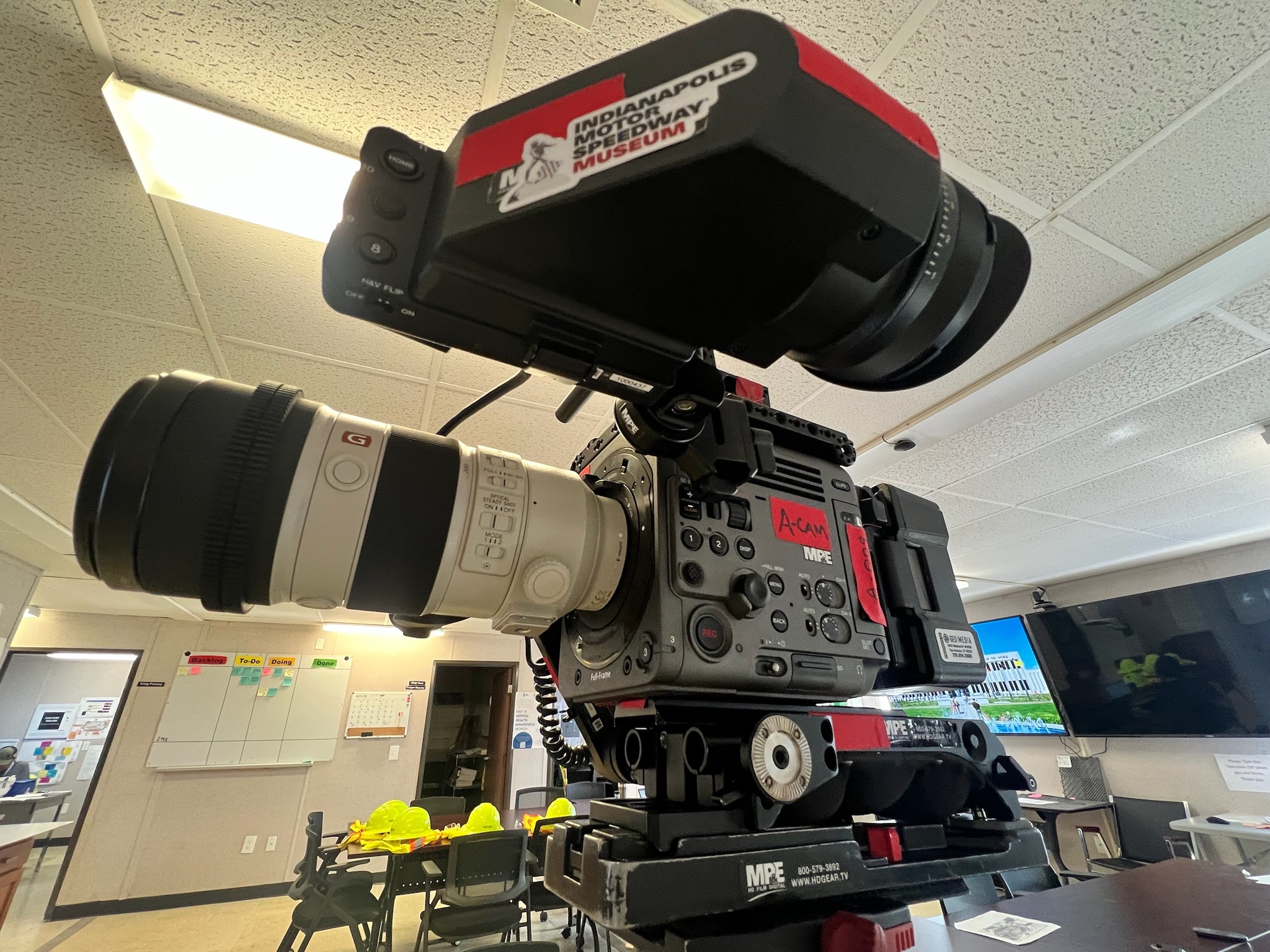
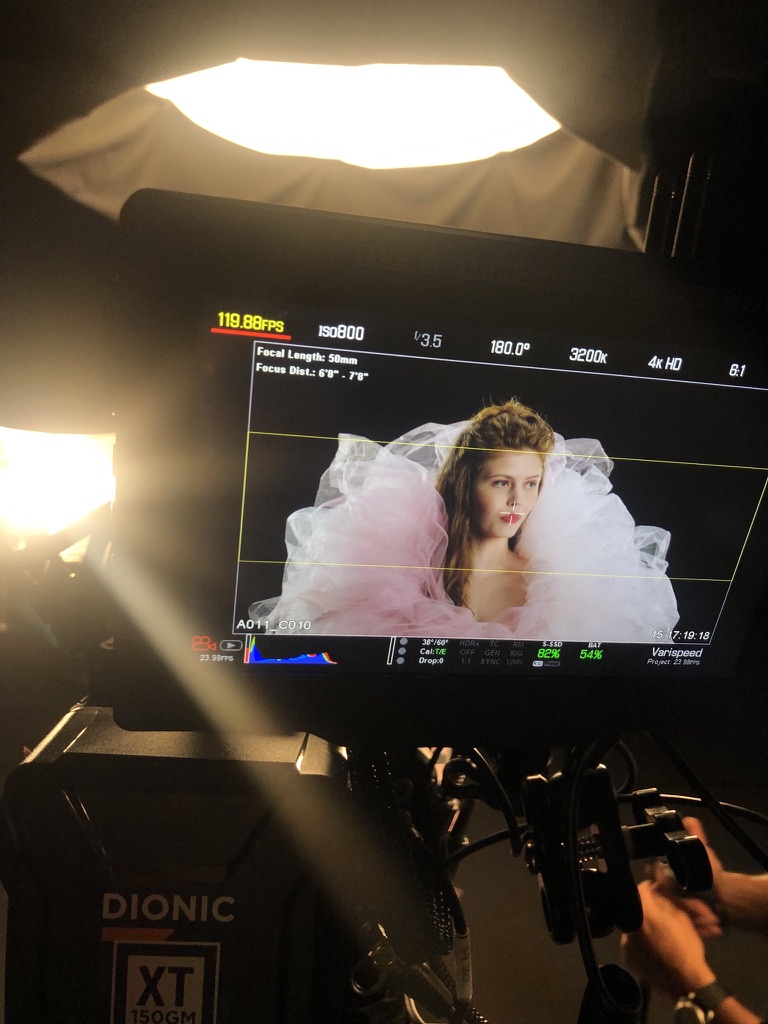
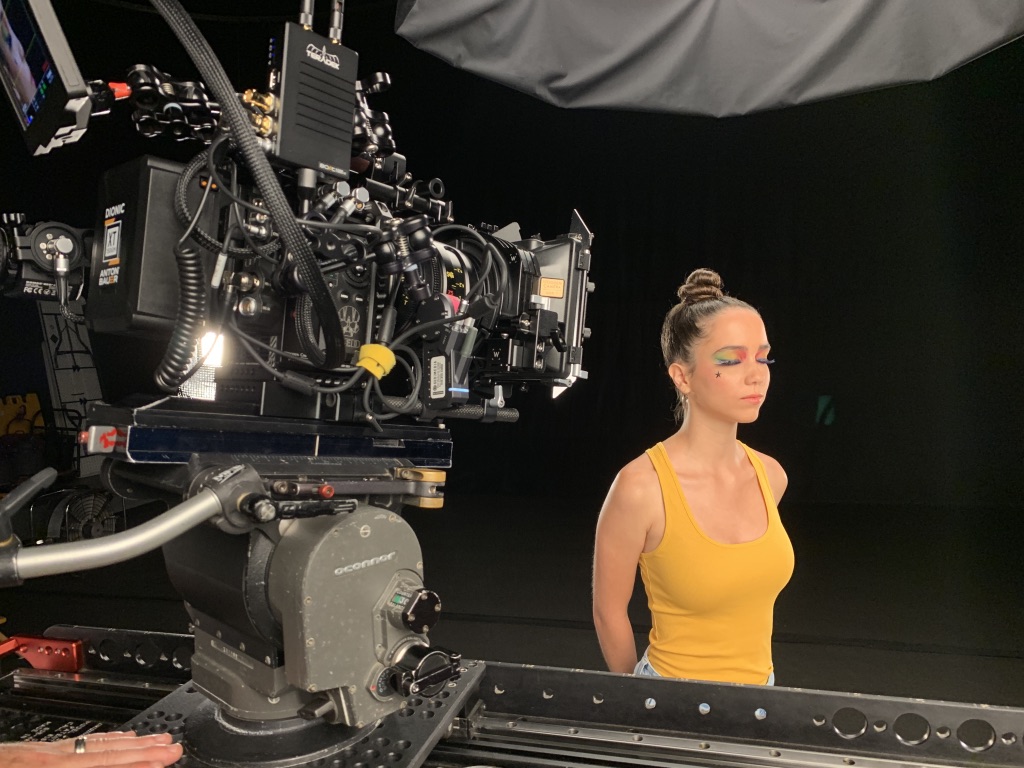
Our DP/production director Zach Nasits phoned our buddies at Gear in Austin, TX to order the Varicam camera package outfitted with 35mm film lenses. As an option, Kirk Miles, the camera technician at Gear, offered us the RED ONE camera for the production and mentioned that it would cost about the same as the HD package would with an add-on lens adapter and 35mm lenses.

In the summer of 2007, Zach had worked as a 1st assistant cameraman with the RED camera on a test shoot for Robert Rodruigez at Troublemaker films. Jim Jannard, the founder of Oakley and inventor of the RED, had brought down two prototype RED cameras: “Boris” and “Natasha” for Rodruigez to investigate. Zach mentioned that prior to that the only other people who’d tested the camera before Rodruiguez were Steven Soderbergh and Peter Jackson. Both would go on to shoot features with the new camera, with Soderbergh receiving accolades at Cannes for his films “The Argentine” and “Guerrilla

geomedia

With a RED on order for months now, we had been waiting for the perfect opportunity for a first production with this revolutionary format. Many early adopters were posting positive reviews on the RED’s performance in the field but working with the 4K format in post would present new challenges. We agreed that shooting 4K would be an attractive option for the HCSB production. We proceeded to work out the post workflows and integrate new hardware and software into the pipeline.

Zach and I headed up to our Austin offices and performed tests at Gear offices, investigating the RED camera’s latitude, formats, frames per second, ASA’s, depth-of-field, and pure “user-friendliness” before sending the RAW footage back to Geomedia’s main facility in San Antonio, where we would push the 4K files through post-production and test finished output.

geomedia

Testing proved extremely successful… It was time for Geomedia to paint HCSB’s television campaign RED!

“It was handled a lot like a film job” said production coordinator Murray Breit. “We synced sound by clapping slates. Zach metered light just like we were using film… We sent the footage through a digital in-house 4K tele-cine process and everything looked amazing! We were able to do everything, start to finish, right here. Breit added “The process we developed for editing, color grading, conform and finishing worked perfectly… Most importantly the project came in on time and on budget and the client was very impressed with the quality of their new spots.”

geomedia

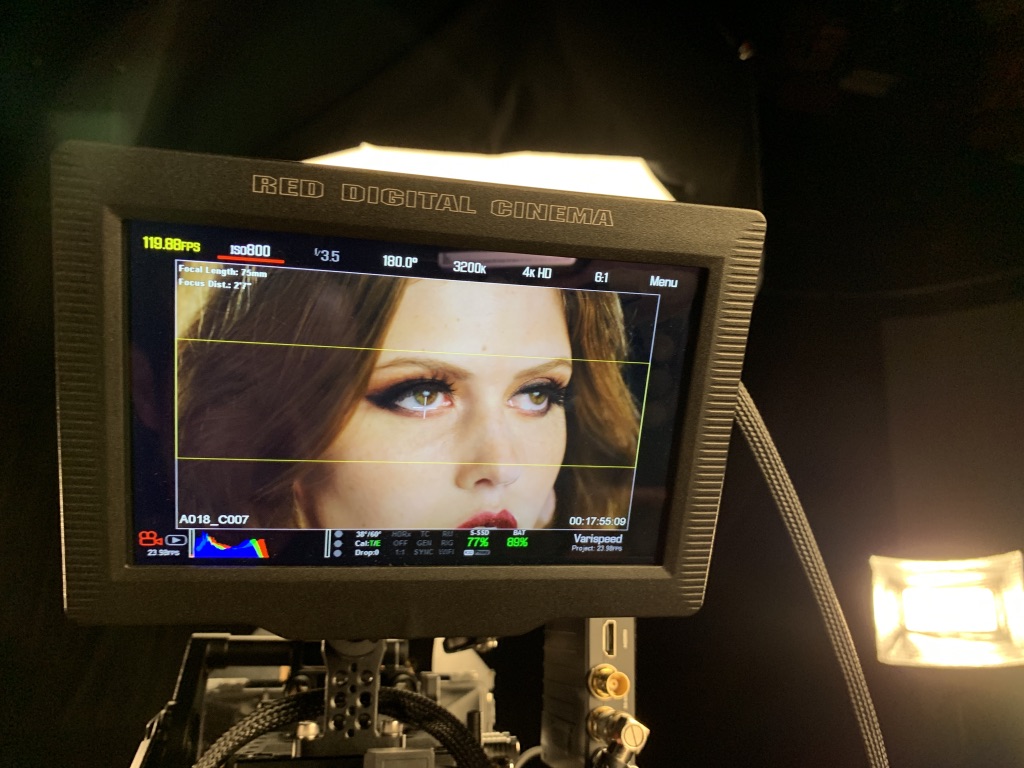
Geomedia utilized the RED camera on location the day after the HCSB shoot for a commercial for Fuse Gym based in San Diego, CA. The RED camera package consisted of Zeiss Super Speeds, an Angenieux 10:1 zoom lens with full film camera support. Zach captured 4K at 500 (ASA) to have more latitude into the high-lights and rated the camera at 160 ASA as a result of their camera tests.

He explains the differences between each concept and clients needs, “It’s great that we had consecutive shoot days and got to capture two completely different looks with this camera… HCSB was more conventional beauty shots while Fuse was way more gritty.. shooting a 6 stops ratio.”

geomedia

With a set of Super-Speeds on the way and a full slate of RED shoots on the books, we are more anxious than ever for “our” RED ONE #2357 to arrive at our door! We have not decided on any names for “her” yet!!

Do It on a Dell

April 4th, 2008

Geomedia 3D artists create four 25 second animations for Dell’s presentation booth video. Thats 100 seconds of animation at full HD resolution, produced in only 3 weeks! (very loooong weeks)

geomedia

Brand new Computers and monitors were sent from and delivered to Geomedia cloaked in secrecy. These machines were to debut at CES and were not yet on the market. Using a variety of tools including a set of electronic , the geomedia team set about measuring and mapping the dimensions the machines in order to accurately re-create them in 3D space. Overall there were 10 computers and 3 accessories that had to be modeled. We budgeted essentially 1 day per machine, so we were modeling, texturing, lighting, and rendering 1 computer per day (very looong days). All modeling was accomplished in Softimage/XSI by Jeremy Kenisky with a cameo appearance by yours truly on some minor modeling chores. Here’s some of Jeremy’s copious measurment notes and a laptop model from the early stages of the process.
geomedia

After 2 weeks of intense modeling, the entire lineup was finally complete and animation was ready to begin. At the same time as the computers were being created, Troy was developing lighting setups and fine tuning material settings. Troy also created HDRI environment maps to “light” the models by setting up an actual turntable set in our studio just as one would do for a high end product shoot. Bracketed exposures were captured on a Canon 20D digital SLR camera, of a chrome sphere from which the HDRI image was derived. This image was used to create the environment in 3D to accurately reflect lighting and bounce cards from the studio setup. Since final animation would be rendered in , it was important that render parameters be highly optimized in order to have all rendering complete and ready in time for CES (January 7th-10th). Separate Render passes were set up for ambient occlusion, mattes and reflections… We opted to create motion blur as a post process in the composite, which worked great.

By the the 3rd week, during Christmas weekend, we started doing animation tests. At this point we had essentially 5 days (including the weekend and christmas) to deliver animation sequences to the client, with an extra 4 days on the backend to do final renders, compositing and finishing. We completed 4 animations in 4 days (very looong days), making it one of the fastest projects we’ve done in a while.
geomedia

The animation goal was simple – show off a set of computers for a specified time as creatively as possible. The spots were divided into 4 categories – GAMING, HOME, MUSIC, and PHOTO.
The gaming spot consisted of 3 computers – The all new Dell XPS 630i, the Dell M1730, and the Alienware ALX-51. For this spot we decided to go with a effect to get from the XPS 630 to the M1730. We would then use the screen of the M1730 (a 17″ 1080p laptop) to transition to the Alienware. One of the biggest challenges to this transformer like effect was designing the movements and deciding what pieces went where. The computer models had been modeled as solid objects and had to be redesigned and broken apart to achieve the movements we envisioned.

geomedia

HOME

The home spot featured the XPS 420, XPS ONE, and all new Crystal 22″ Monitor. We designed his one to be pretty straightforward – just a big turntable camera move revealing all 3 images.

geomedia

MUSIC

The music spot featured the XPS 420, XPS M1330, Inspiron 1525, and Inspiron 531s. The spot begins with the XPS 420, which suddenly gets a “sound wave” sent through it as it breaks apart and then back together again. It then transforms into the XPS M1330 laptop. As the laptop revolves around, we see it open and the screen is showing colorful audio EQ-level meters in sync with the current music track. As we get closer, we realize that the levels bars are actually Inspiron 1525 laptops. We go into the screen and show the laptops moving with the music. We orbit them and as we pass the 270 degree mark we transition into a white set with the Inspiron 531s.

geomedia

PHOTO

The photo spot features the XPS M1330, Inspiron 1525, and Inspiron 531s. For the beginning of this spot, we wanted to use the photo theme as a gag in featuring the 3 colors of the M1330 laptop. As the camera comes down we see a laptop turn and open as a photoflash freezes the action. The image then unfreezes while the camera move continues and the next computer opens up with another flash. This happens one final time with the last laptop and then we fly into the screen of the last laptop to reveal the Inspiron 1525 laptop. In what looks like a flower from a top view, we see all the colors comprising the Inspiron 1525 line as they open up in sequence. Finally, we zoom into the Dell logo on one of the laptops and quickly pull out to transition to the final Inspiron 531s.

geomedia

Additional 2D animation was created to simulate Windows Vista screen interaction and Dell branding. These were then mapped onto the 3D computer monitors. Much of the compositing was done via the XSI compositor with final tweaks such optical effects and color correction performed in After Effects. We utilized motion vector data from XSI to create the motion blur. This greatly sped up the rendering process helping make the deadline without sacrificing realism. Final animation was rendered at full 1080p Hd resolution.

geomedia

Finally… The completed animations were delivered in Austin 3 weeks and 3 days after the project started. There they were incorporated into the rest of the presentation video. While we couldn’t attend CES to see the finished work, we heard that all was well received. Requests for follow up projects are already in the works!